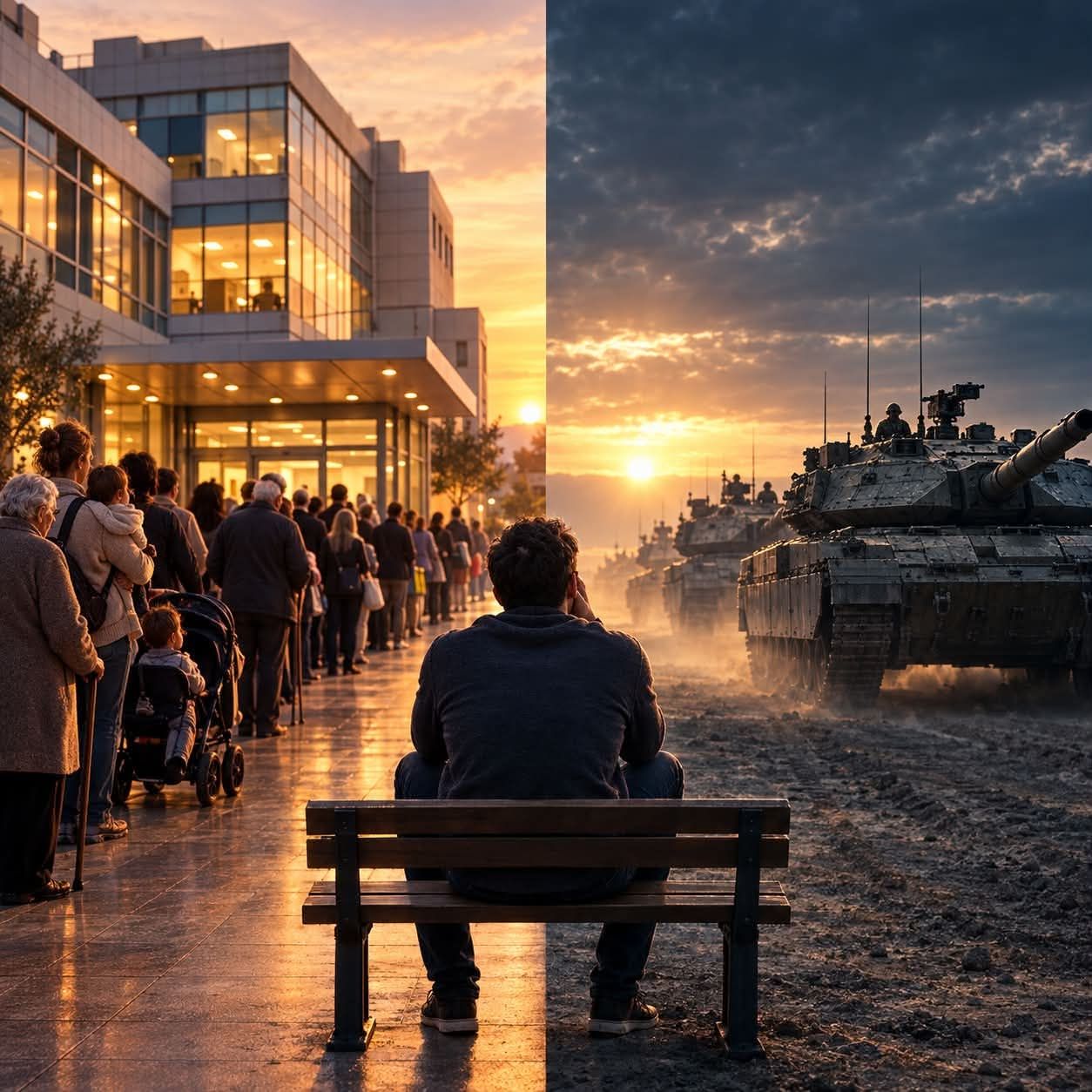

Does anyone here really believe that after these elections they won't forget about us? Raise a hand
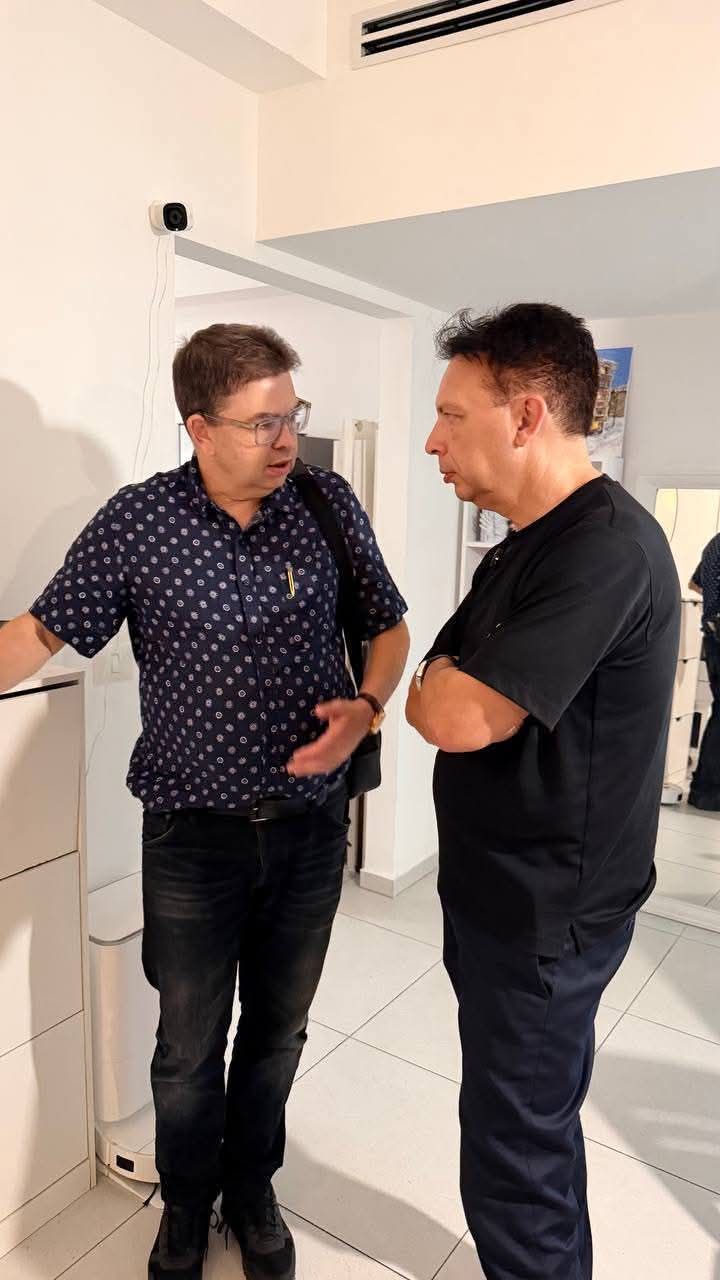
Today we are heading to Yair Golan. With questions that are neither right-wing nor left-wing.
We all share an ironclad belief: before the elections, they promise us the moon. After the elections, they forget all the promises.
Does anyone here really believe that after these elections we won't be forgotten? Raise a hand.
I don't believe it. We will be forgotten. Just like we've been forgotten every time.
The politicians will reach agreements. Just not with us, but among themselves. Behind closed doors. They will divide up the coalition funds, our money, and no one will be held accountable to anyone.
And we will argue in the comments again.
And I, as always, will hop over piles of garbage in Netanya on my way to work.
Yesterday was a long day of conversations. First, a Zoom meeting with the "Citizens Writing a Constitution" movement. Professors, lawyers, people who have been dealing with the structure of the state for years. There was also a representative from Eizenkot's party there. Afterward, a separate meeting with Yisrael Beytenu's spokesperson.
And after all these conversations, I was left with one question.
Why is it that we, the citizens, cannot manage to agree?
Open up Facebook. Any topic, and within five minutes everyone is in the trenches. Right, left, religious, secular. Everyone is certain they are right and everyone else is the enemy.
Look at the politicians. Do you see them reaching an agreement? I don't.
And in other countries, they have found a solution.
In Switzerland, they regularly ask the citizens. Not once every four years, but on specific issues.
In Ireland, on the most painful issue, abortion, the politicians didn't decide alone. They brought it to a referendum, and the people decided.
In Taiwan, when a conflict broke out surrounding Uber, the rules were formulated through an open online platform. Everyone had their say: citizens, taxi drivers, the company, experts.
This is called direct democracy. Not in place of the Knesset, but alongside it. Can't manage to agree? Ask the people.
And now the most interesting part.
Israel already has a referendum law. From 2014. Except that it applies to one narrow case: ceding territory. On the budget, on the draft, on civil marriage, on housing prices, we are not asked.
Why? Because it's convenient for those who do the dividing.
We are the Startup Nation. We know how to poll millions of people in a single day. There's just one thing we don't know how to do: force ourselves to actually do it.
That's why I'm involved in "Civil Compass."
We are neither for the right nor for the left. Neither "for" nor "against." We don't sit in the trenches.
On our platform, you can already read written reports from the Deputy Mayor of Netanya and from Knesset members. Not promises at a rally, but answers on paper, which can be held accountable later. You can see how the parties answer citizens' questions. And who doesn't answer at all. And then you ask your own question.
We pass on the question without comments. And we pass on the answer without comments, back to the citizen who asked. We don't judge, we don't argue, we don't lecture. We make sure the question gets there and the answer comes back.
And citizens can unite. If a hundred people have the same question, it doesn't need to be asked a hundred times, and the politician doesn't need to answer each one individually. One question, one answer, and everyone sees it. That's how one person's voice becomes the voice of a hundred.
Because a citizen's voice should be worth something not just one day before the elections, but all four years.
By the way, on the "Civil Compass" website, you can set a reminder so you don't miss election day.
Today we are heading to Yair Golan.
We are passing on citizens' questions to him. From people with disabilities. From new immigrants. From psychologists. About animal cruelty. About phone scammers who prey on the elderly.
We sent those exact same questions to Likud and the religious parties. Because a party running for the Knesset must answer all citizens. New immigrants, people with disabilities, and everyone else alike.
And now tell me: where is the right and where is the left here?
An elderly person who was scammed over the phone and had all their savings taken. Is that a right-wing or a left-wing problem?
A person in a wheelchair who cannot get into a government office. Is that a right-wing or a left-wing problem?
Piles of garbage in the streets of Netanya. Is that a right-wing or a left-wing problem?
These are the problems of the citizens of Israel. They need to be solved. Period.
We will ask every party what it intends to do. Not slogans, but concrete things. We will publish the answers. Whoever stays silent, that will also be seen. And after the elections, we will check what was actually implemented.
What am I asking of you.
Go vote. Whoever votes gets heard. Whoever stays home gets what's left over.
Ask the party you intend to vote for: Are you willing to ask the citizens on controversial issues? Yes or no? And see who answers in writing and who starts stammering.
Talk only breeds more talk. Paper remains.
And after the elections, don't scatter. Democracy doesn't end at the ballot box.
We didn't start before the elections. This is already the second year that Netanya city council members give residents an annual accountability report. Because this is the future. And our work will not end after the elections.
This is how direct democracy begins.
What subject would you want to be asked about first? Write in the comments.
Agree that it's time to ask the citizens? Share the post. So that everyone who is sick of the trenches can see it.
Link to the live broadcast below.
Link to the citizens' questions we passed on to Yair Golan, the Democrats party, is also below.
Dr. Gutnik, Civil Compass
www.amechad.info
https://www.amechad.info/knesset?in
quiryLang=he#inquiry-ghd3ega7abapodbfgz896vab/
https://youtube.com/live/j7fNqCTXfkg?feature=share